University of Florida Institute of Food and Agricultural Sciences
logo - University of Florida's Institute of Food and Agricultural Sciences
MENU
  • HOME
  • About
  • Pest Snails ID Tool
    • Amber Snails
    • Ghost or Peanut Snail
    • Rosy Wolf Snail
  • Events
  • Search

Snail Pests Identification

Snail Pests Identification

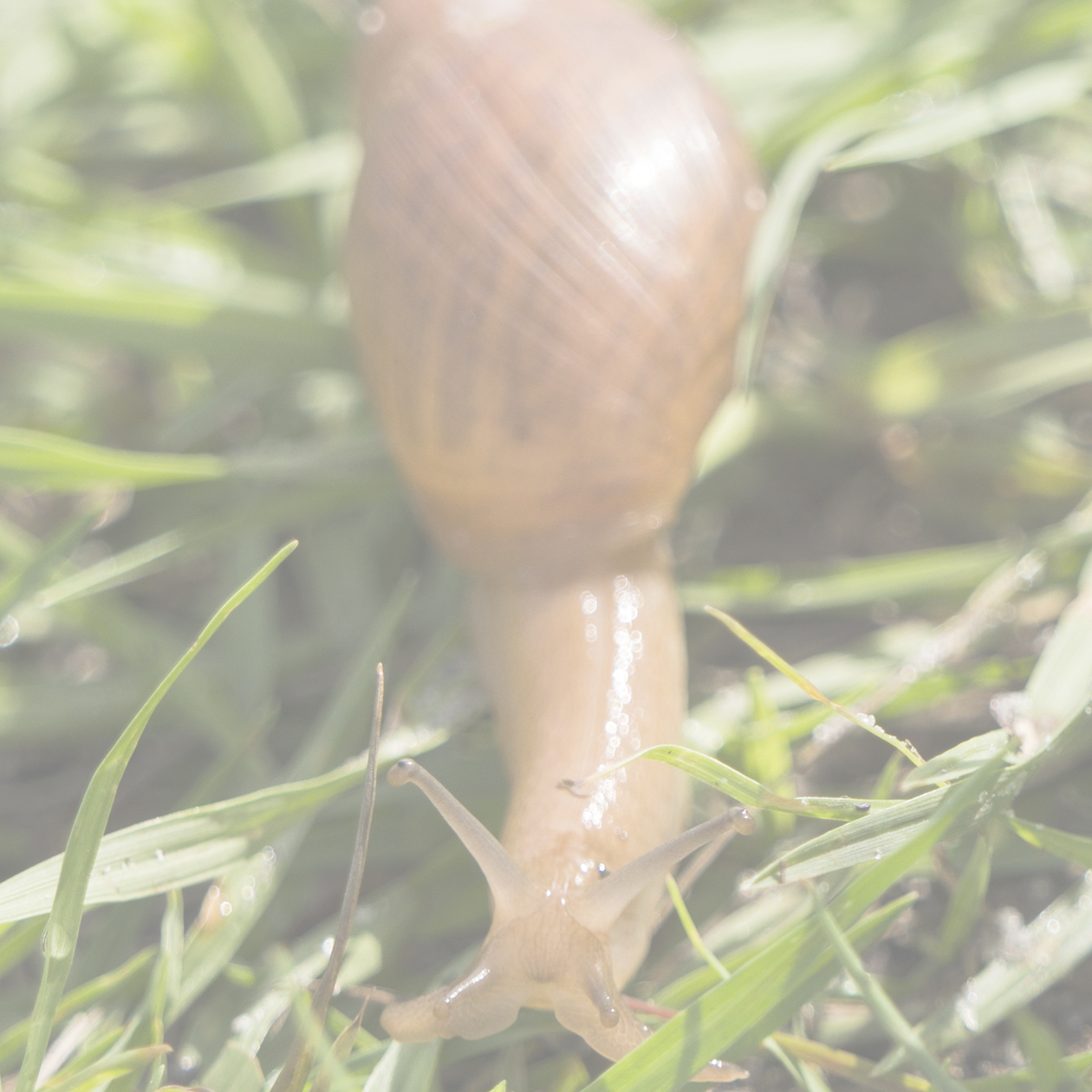
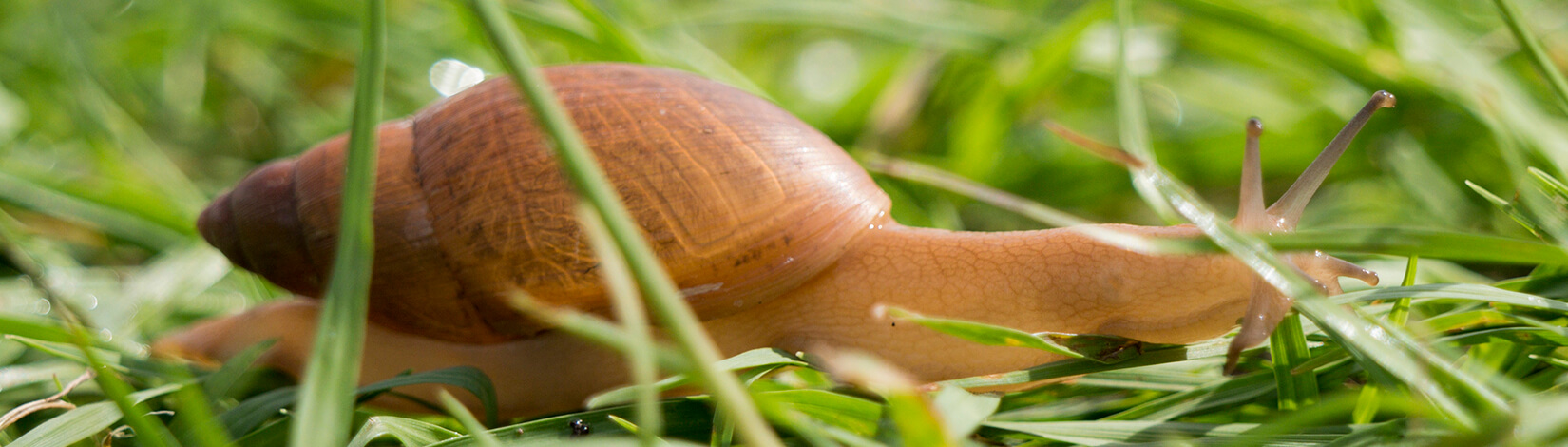
snail crawling through grass

Project Overview and Team Contacts

This group was initially created by Shirley Baker, Professor at the University of Florida in Molluscan Biology and Aquaculture, as a response to the arrival of the invasive ghost snail B. bonariensis in the southeastern region of the United States. The group was meeting every month to give an update on the spread of this invasive pest and actions to prevent it.

The group expanded to other invasive snails in 2024 with the obtention of a SCRI-Planning grant titled “Understanding and managing effects of nuisance and phytophagous snail and slug species in horticultural crops” (USDA Tracking Number: GRANT14122659) led by Dr. Xavier Martini, Associate Professor in Entomology at the University of Florida.

The overall goal of this group is to offer a common platform for all the scientists working on terrestrial gastropods affecting horticultural crops. The group organizes webinars every 6 weeks and the annual Conference for the Management of Terrestrial Gastropods in Agriculture. If you are interested in joining the working group, send an email to either Dr. Xavier Martini or Shirley Baker.


Team Members

About

  • Project Overview
  • Team Members
  • Our Partners
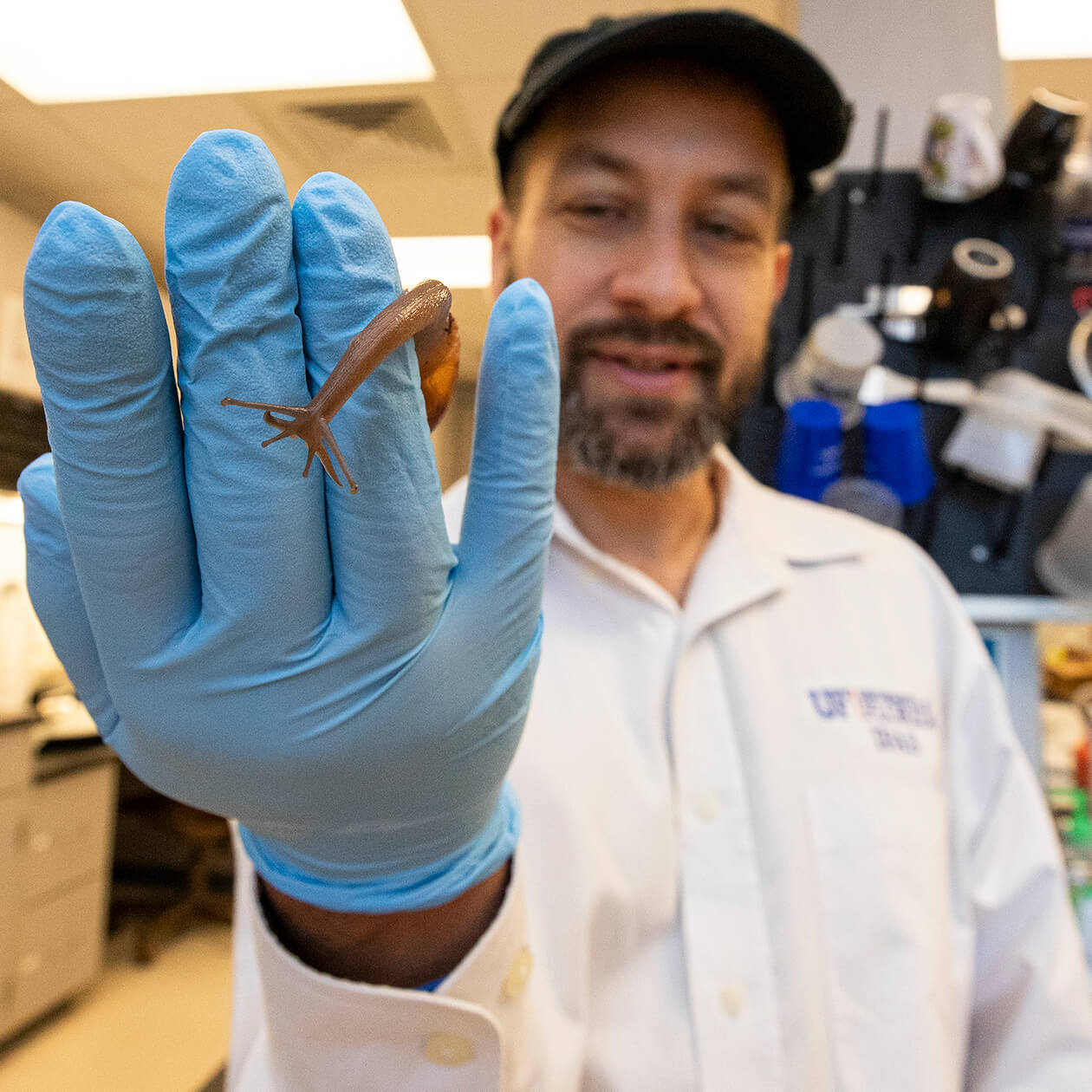
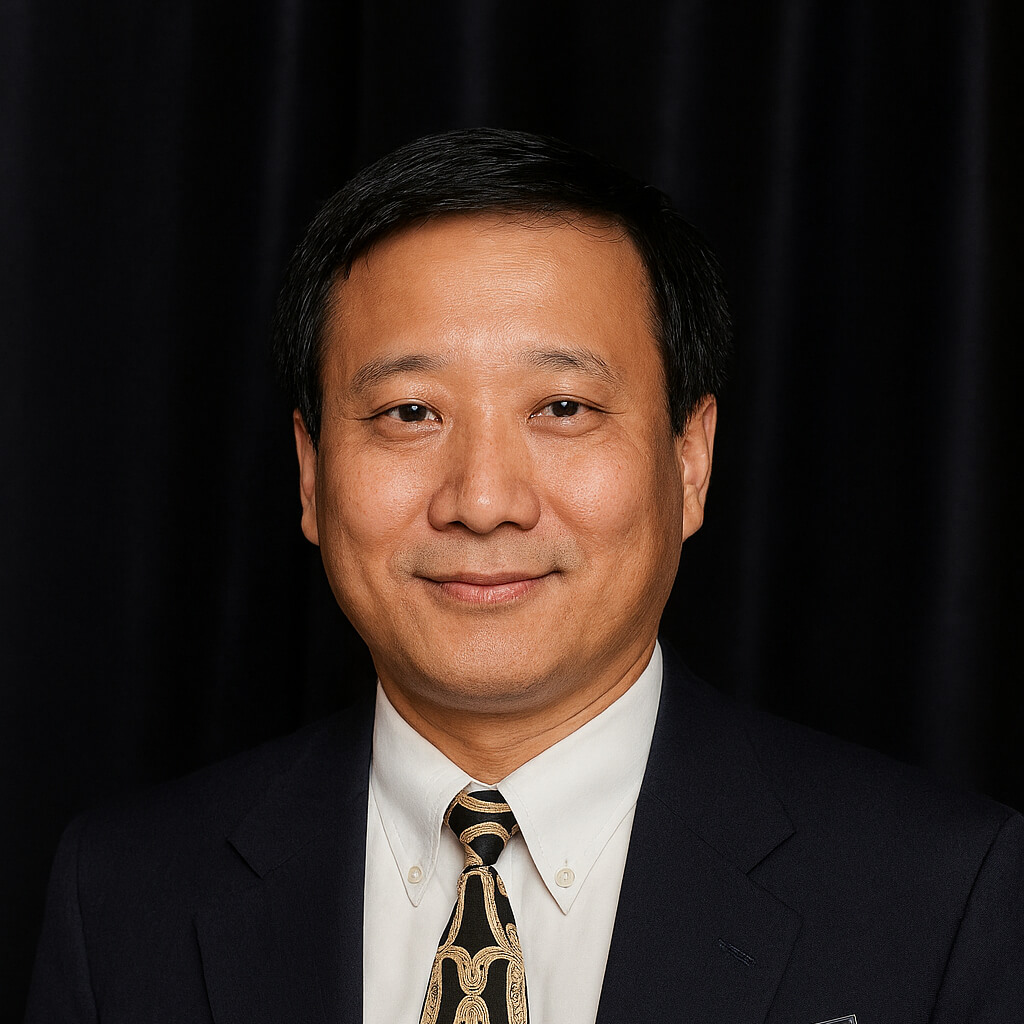
Dr. Xavier Martini

Dr. Xavier Martini

xmartini@ufl.edu

Dr. Martini is an Associate Professor in horticultural entomology. His research focuses on providing alternative solutions to conventional insecticides to manage critical horticultural pests. Dr. Martini particular interests are in invertebrate behavior and chemical ecology. Dr. Martini leads the current SCRI-Planning grant titled “Understanding and managing effects of nuisance and phytophagous snail and slug species in horticultural crops” (USDA Tracking Number: GRANT14122659) that provided funding for the activity of the working group.

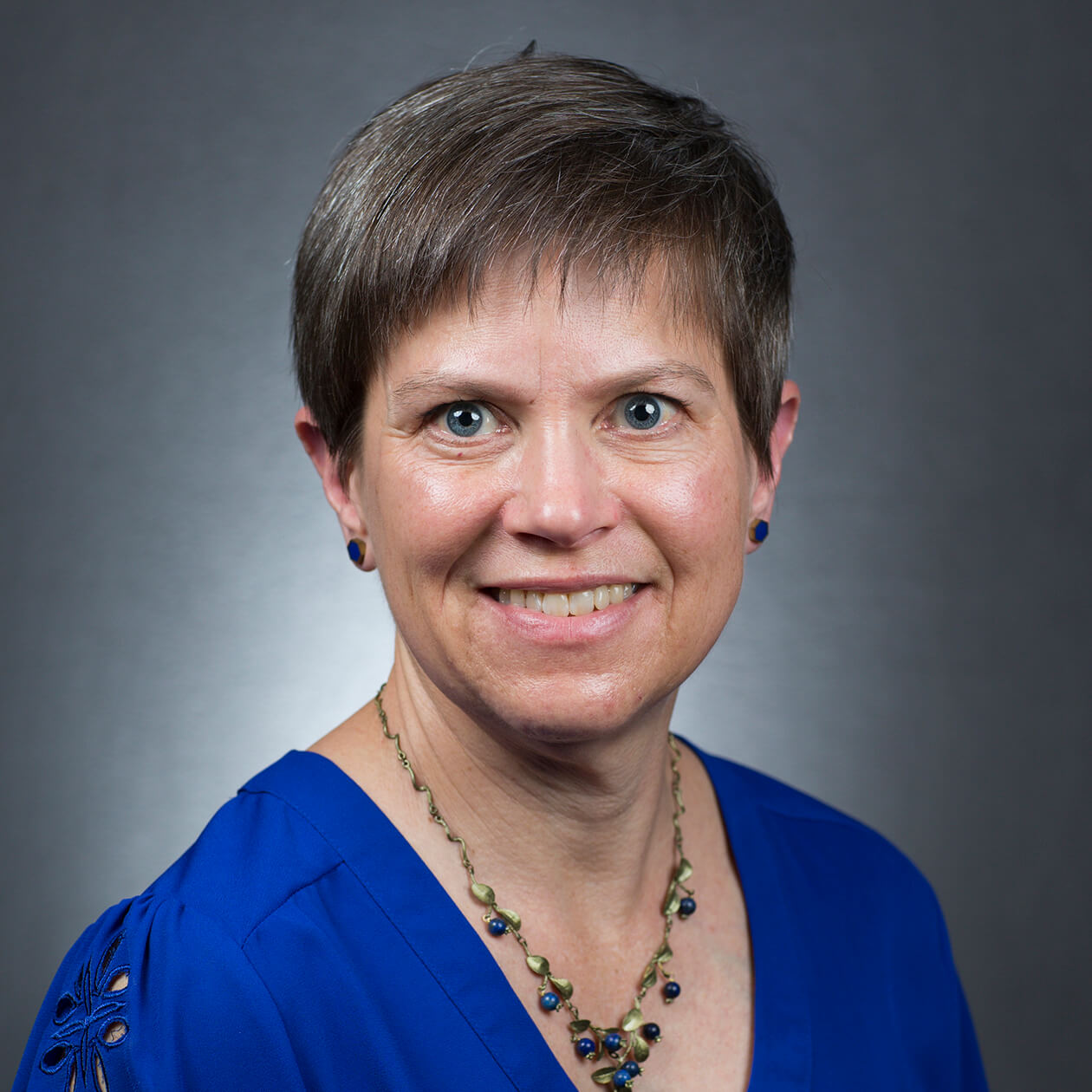
Dr. Shirley Baker

Dr. Shirley Baker

sbaker25@ufl.edu

Dr. Shirley Baker is Professor and Associate Director of UF/IFAS School of Forest, Fisheries, and Geomatics Sciences, with expertise in invasive species and molluscan biology. Since joining UF in 1999, one aspect of her research has centered on the ecological impacts of invasive marine, freshwater, and terrestrial snails. She has successfully led numerous research projects supported by competitive grants and is dedicated to mentoring students in her field. Dr. Baker’s expertise is recognized through her leadership roles in professional organizations and a distinguished record of academic and teaching awards.

Snail crawling in grass

Dr. Rory McDonnell

Rory Mc Donnell is an Associate Professor at Oregon State University. His program focuses on 1) understanding the ecology of invasive gastropods in agriculture, urban areas, natural environments, and the interface of these systems, and 2) developing and implementing novel strategies for their management. He and his team are currently developing plant extracts as novel biorational molluscicides, natural enemies as biocontrol agents, and novel attractants for use in trapping, and attract-and-kill strategies. He is a Fellow of the Royal Entomological Society, has published 75 international peer-reviewed papers, accrued > US$4 million in funding, and is an inventor on two patents.

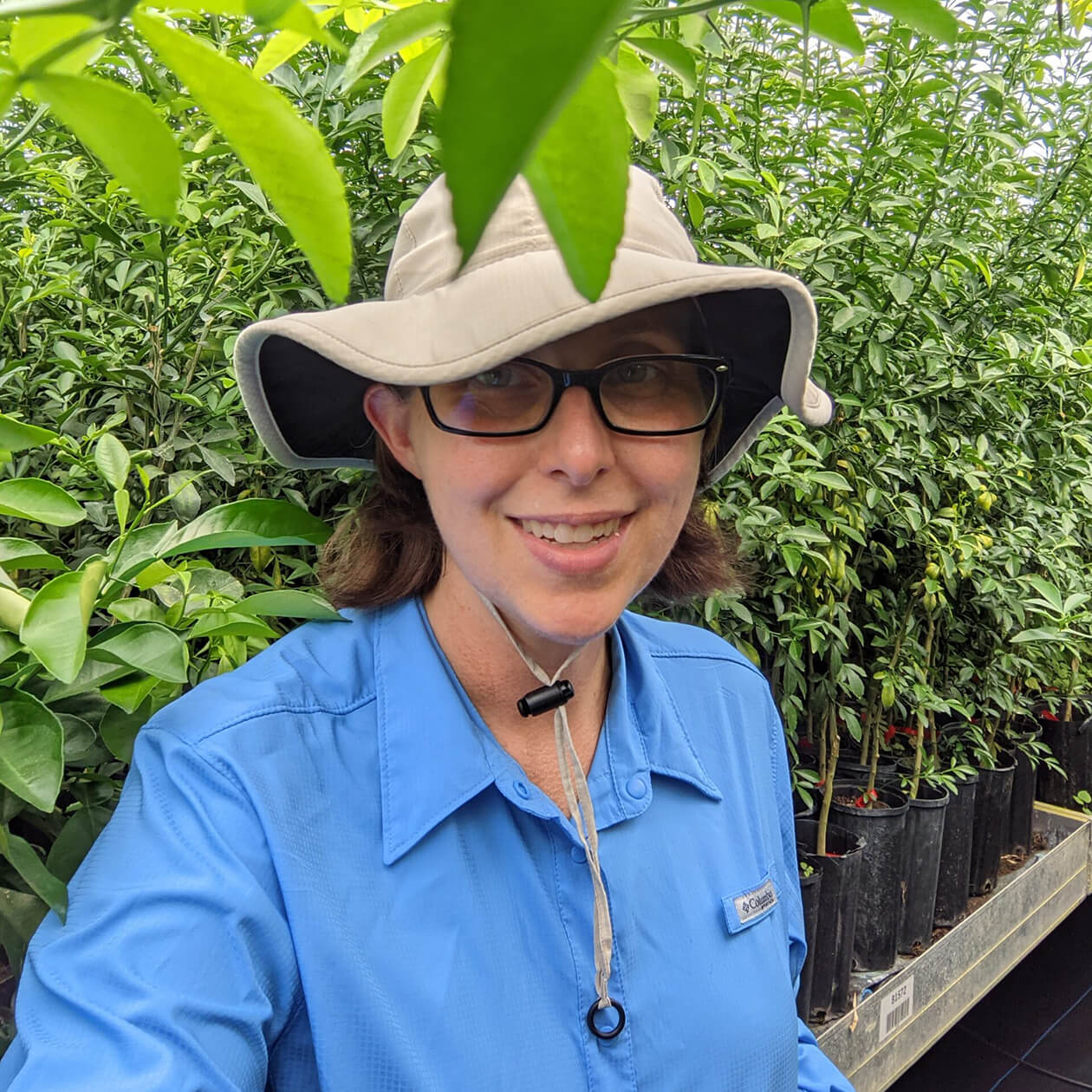
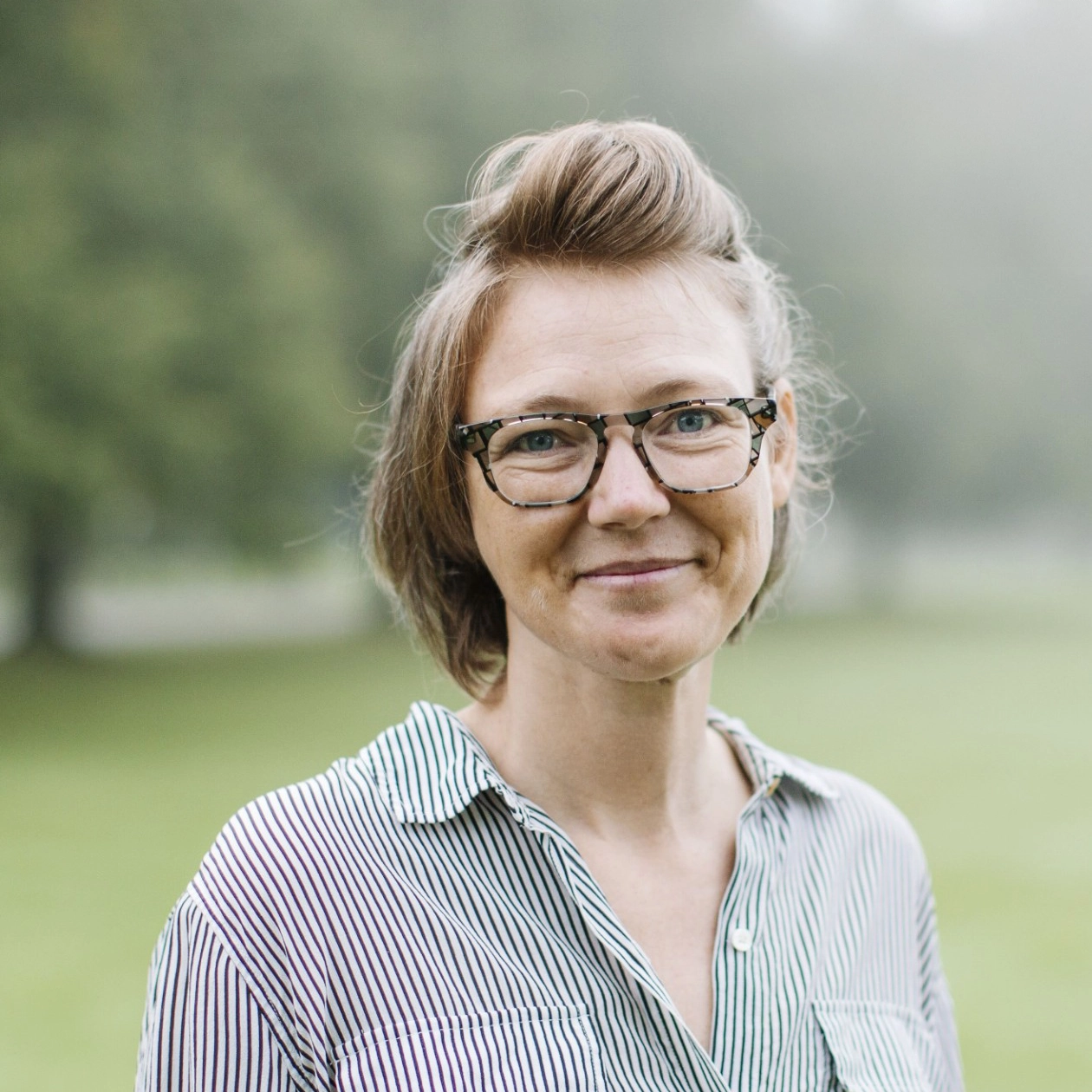
Dr. Lauren Diepenbrock

Dr. Lauren Diepenbrock

Dr. Lauren Diepenbrock is an Associate Professor of Entomology and Citrus Entomology Extension Specialist at the University of Florida’s Citrus Research and Education Center. Her role is primarily extension-focused, where she lead the development and implementation of citrus integrated pest management (IPM) programs for arthropod and mollusk pests of citrus across Florida. She works closely with commercial citrus growers and other specialists to coordinate training and deliver effective pest management solutions combining chemical, cultural, and biological controls.

Dr. Zhu

Dr. Junwei (Jerry) Zhu

Dr. Zhu is a lead scientist at the USDA-ARS, Agroecosystem Management Research Unit located in Lincoln, Nebraska. He has over 25 years of experience in insect repellant discovery and practical application development. Dr. Zhu has discovered several novel repellant compounds that have been widely used for agricultural, medical, veterinary and urban pest control with better performance than synthetic chemicals. Dr. Zhu explored the use of natural product-based repellant compounds, including essential oils and coconut oil fatty acids, to prevent the invasion of agricultural pests including tephritid fruit flies and snails. Preliminary studies on the developed repellent formulations have shown excellent potential.

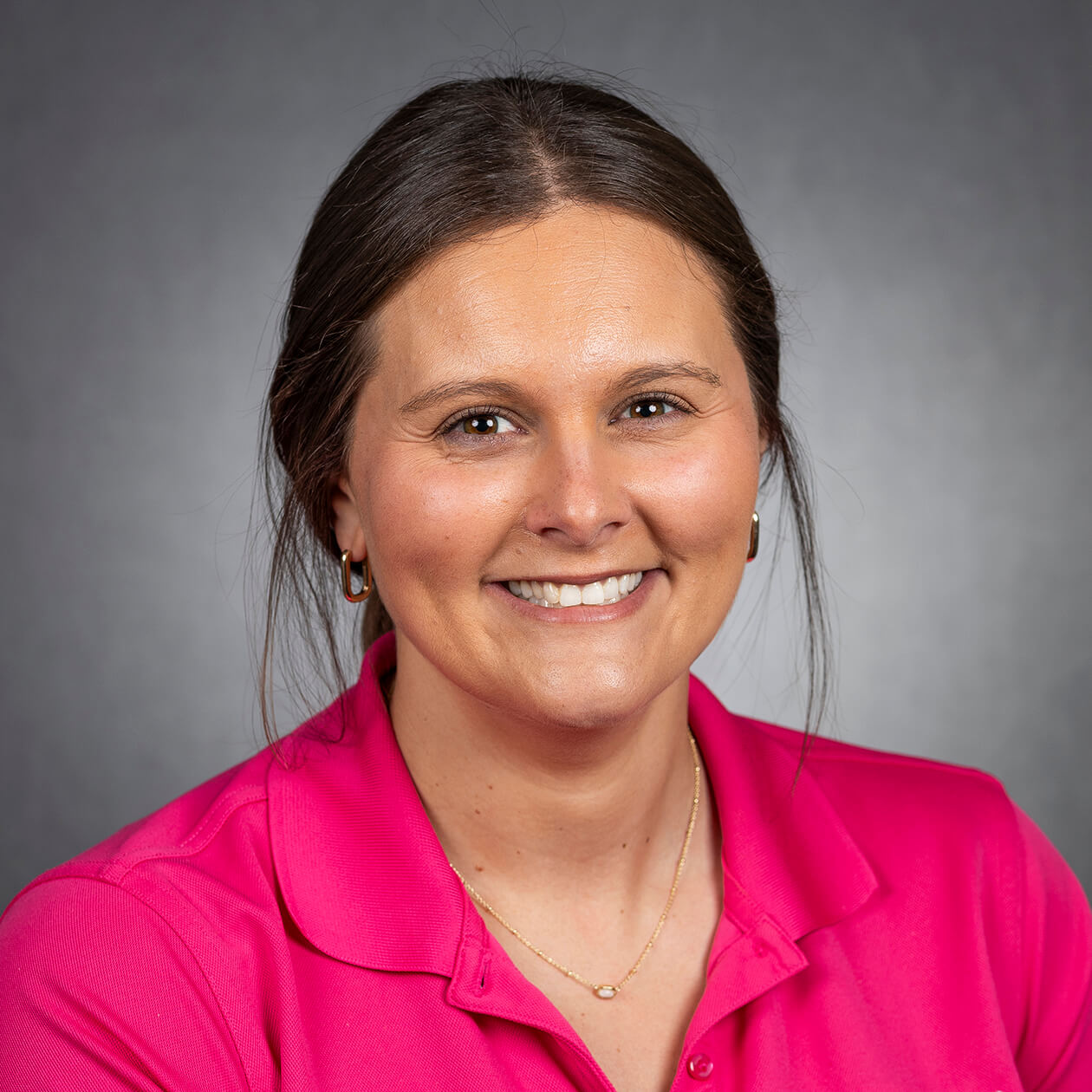
Dr. Peyton Beattie

Dr. Peyton Beattie

Dr. Peyton Beattie is an Extension assistant professor of Extension education in the Department of Agricultural Education and Communication (AEC) at the University of Florida.

Beattie earned her bachelor's degree in agricultural and Extension education and evaluation from Louisiana State University in 2016. She continued graduate education at the University of Florida earning her master’s degree and doctorate in agricultural education and communication in 2018 and 2021, respectively.

Beattie developed a research line that includes Extension faculty training and development and its impact on Cooperative Extension as well as Extension agents’ adoption of instructional and communication technologies for program delivery.

Dr. Sara Emery

Dr. Sara Emery

Sara E. Emery is an Assistant Professor of applied systems ecology in the Department of Entomology at Cornell University. Her lab focuses on quantifying the effects of agricultural management, land-use, and climate change on focal invertebrate pest and predator populations in agroecosystems. She leverages historic monitoring data, field-based validation, and ecological theory to identify the drivers of ecosystem service provisioning. One primary aim of her research is to provide growers with practical tools to mitigate the negative effects of pests in agriculture and enhance the resilience of agricultural food production systems.


Our Partners

Partnership institutions


University of Florida

University of Florida IFAS Logo


Oregon State University

Oregon State University logo


Cornell University

Cornell University logo


University of Kentucky

University of Kentucky logo


USDA-APHIS

USDA Logo


Institutions providing funding


USDA-NIFA

USDA-NIFA logo


CRDF, Florida

CRDF logo


Collaborative institutions


Museo de la Plata, Argentina

Museo de la Plata, Argentina logo


Citrus Research Board, California

Citrus Research Board logo


University of Florida Logo
Contact

Feedback
Snail Pests Identification
155 Research Rd, Quincy Fl. 32351
850-875-7160

Land Grant Mission
  • Teaching
  • Research
  • Extension
Information
  • Ask IFAS (EDIS)
  • UF/IFAS Experts
  • UF/IFAS Blogs
  • UF/IFAS Bookstore
Policy
  • Accessible UF
  • EEO Statement
  • IFAS Web Policy
  • SSN & UF Privacy
  • Analytics (Google Privacy)

© 2025 University of Florida, IFAS Last Modified:Mon, 25 Aug 2025 10:33:57 EDT